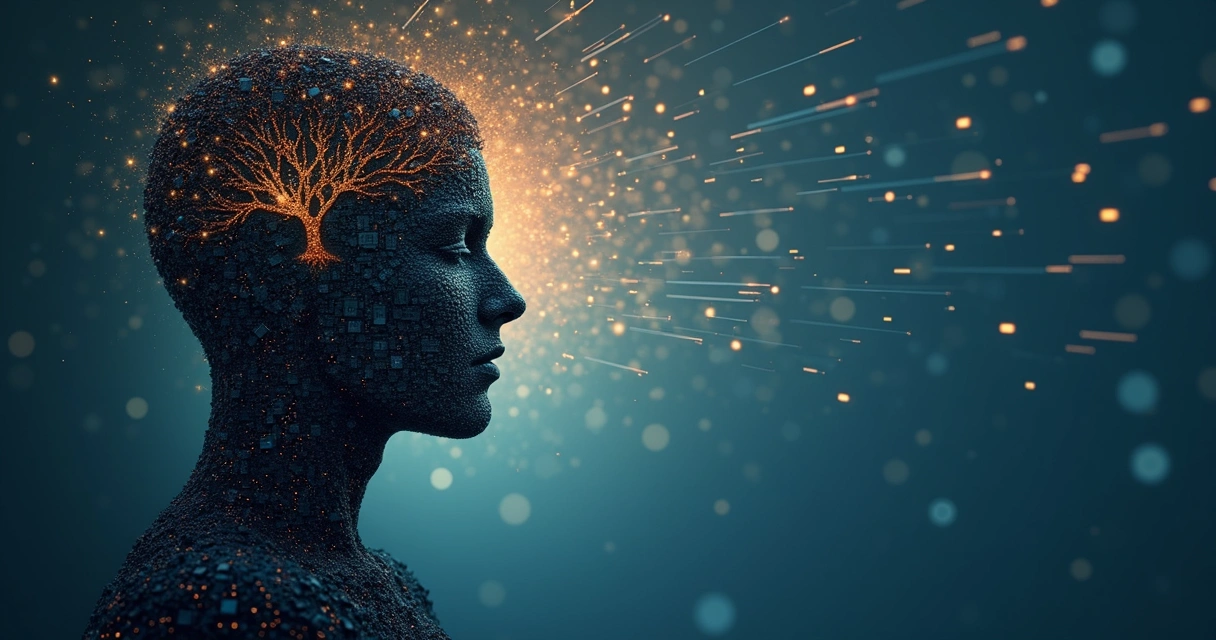

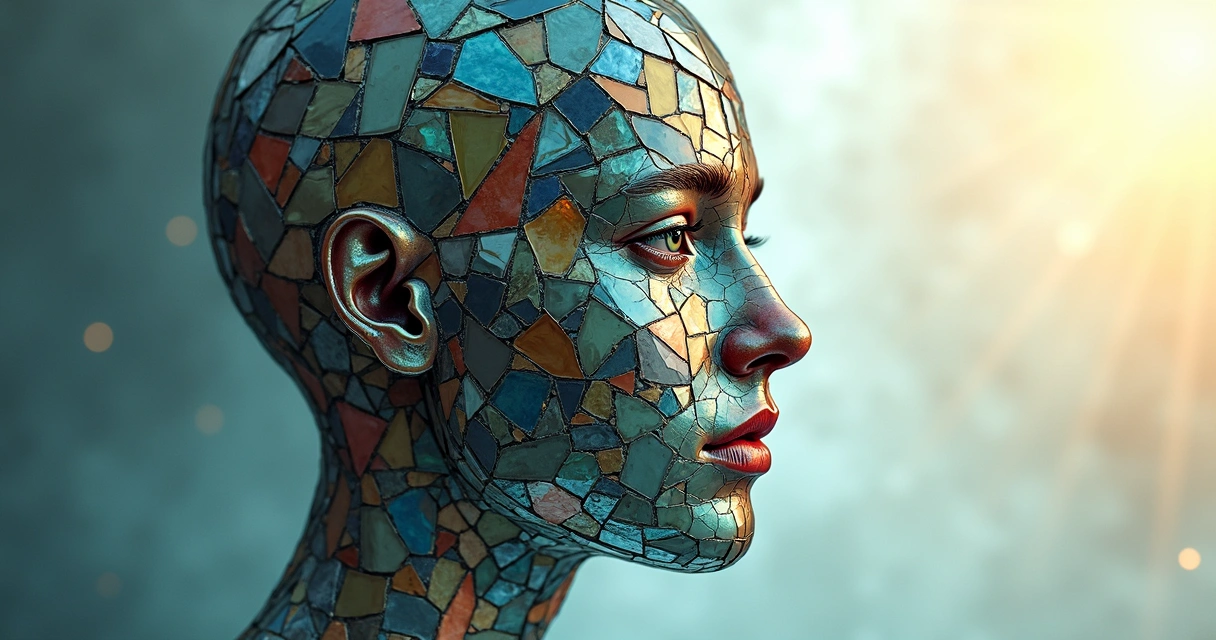
In 2026, our sense of self often feels as if it’s being pulled in many directions at once. Between digital realities, social transformations, and new pressures in our daily lives, the topic of identity fragmentation has become not just relevant but nearly universal. We’ve seen it ourselves—people trying to balance past values with future ambitions, online profiles with offline feelings, and external narratives with inner truths. This tension can leave us feeling uncertain about who we really are and what truly matters.
The many faces of identity in today’s world
What does it mean to be a whole person in a world filled with shifting roles and digital profiles? The answer is not simple. Our identities are made up of many elements that are constantly changing, including our beliefs, actions, memories, relationships, and aspirations.
Wholeness is not found in standing still; it is found in adapting, learning, and reconnecting.
We think of identity not just as one fixed thing, but as a system that is always changing and responding to its surroundings. Factors like work, family, and national culture have always shaped identity, but in 2026, technology and global influences play a much bigger part.
Why does identity fragmentation happen?
In our experience, identity fragmentation happens when the parts of us that make up our sense of self become divided or disconnected. This can begin quietly, almost unnoticed, and grow faster when we cannot unite the different stories we tell about ourselves.
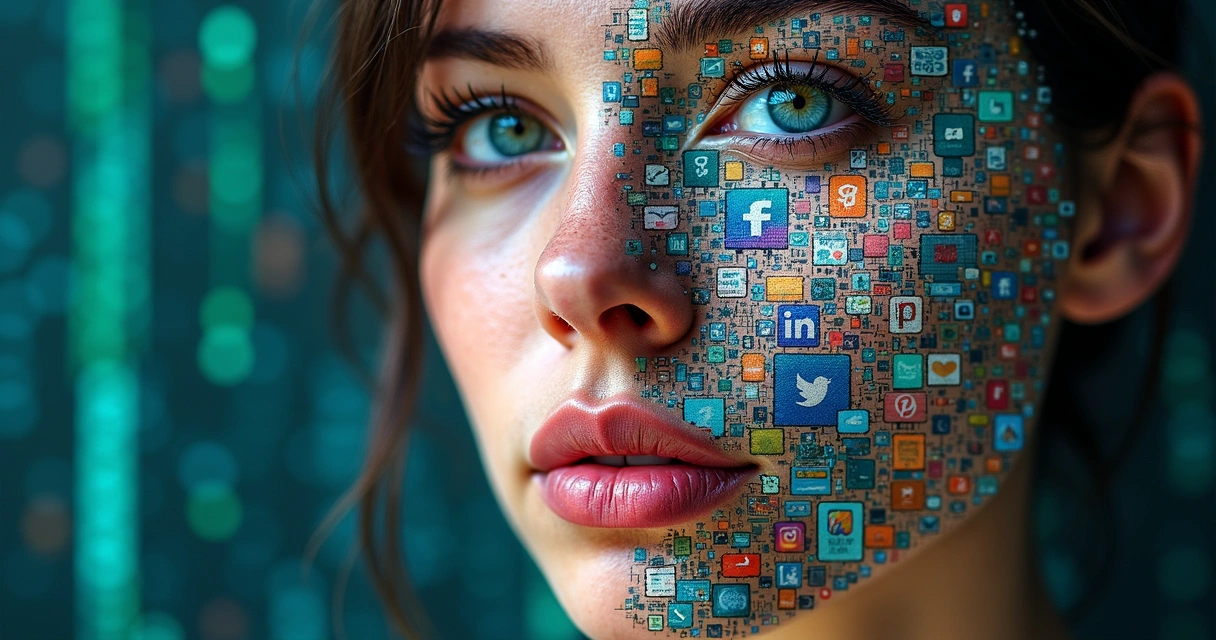
- Digital life: Online platforms often require us to present specific versions of ourselves, leading to a separation between our digital and “real-world” self-images.
- Changing social roles: Rapid changes in job markets or cultural expectations prompt us to adapt, sometimes at the cost of old values or connections.
- Information overload: With so much data and competing narratives, it is easy to feel lost in the noise, unsure which ideas to embrace as our own.
- Trauma or major life events: Sudden loss, crisis, or transition can create a fracture between our sense of who we are and the reality we now face.
Increasingly, we notice how digital safety and identity protection affect this sense of fragmentation. For example, recent data from the 2026 Trends in Identity Report highlighted a 78% year-over-year increase in unauthorized computer and mobile device access. As outside actors disrupt our personal data, our trust in stable identity can be shaken.
Common signs you may be experiencing fragmentation
Some fragmentation is part of growth, but ongoing or deep splits in identity have clear signs. These include:
- Persistent feelings of inner conflict or confusion about values
- Frequent changes in how you act around different people, to the point where it feels inauthentic
- Problems trusting your own decisions or judgments
- Forgetfulness or “blank spots” regarding important events or past actions
- Emotional swings or a sense of being “disconnected” from your feelings
We sometimes hear stories of people who change jobs, move cities, or start new relationships, only to realize they feel like strangers to themselves. These symptoms can be subtle at first, then intensify if the root disconnection is not addressed.
How does identity fragmentation affect daily life?
When identity is fractured, even basic decisions can become stressful. We have seen the following effects:
- Difficulty building deep relationships because of fear the “real” self may be rejected
- Lack of motivation, since goals become unclear when your priorities feel split
- Struggles with work or study—changing directions often or feeling “stuck” in unfulfilling roles
- Self-sabotage or behaviors that seem impulsive, as different “parts” of the self compete for control
Over time, these challenges can feed into anxiety or depression. Fragmentation is not just philosophical—it has a real, measurable impact on our health and happiness.
What can you do to move toward wholeness?
We believe that solutions are possible, and that many people find their way back to wholeness with time, intention, and support. Here are some strategies we have seen make a real difference:
Reconnect with your inner narrative
Regular self-reflection helps bring together the different parts of your story.
This can include quiet journaling, recording voice memos, or guided thinking about your past, present, and hopes for the future. When your narrative becomes clearer, so does your feeling of unity.
Practice conscious decision-making
Each choice you make is a chance to integrate your values. Pause before acting, and ask: “Which part of me does this choice reflect? Does it fit the bigger picture of who I want to be?”
Over time, small, thoughtful choices form the path back to wholeness.
Seek connection beyond the screen
Face-to-face relationships help us feel seen in a way digital exchanges cannot. Even short walks with a friend, or regular honest talks with family members, help counter artificial splits in identity.

Set boundaries with digital life
We’ve seen great results when people limit the parts of their life they share online or even take regular breaks from social platforms. This helps to reconnect with authentic motivations and feels refreshing—a digital detox for the self.
Mind your mental and physical health
Regular activity, good sleep, nourishing food, and attention to emotional wellbeing create the foundation for internal cohesion. These are not quick fixes, but small habits that gradually realign the different parts of ourselves.
“Authenticity is a habit, not a lucky accident.”
Conclusion: Wholeness is an ongoing process
Identity fragmentation can make us feel scattered and unsure of ourselves, especially with the pressures of 2026. But we find that whoever we are, our growth toward wholeness starts with awareness. Step by step, we can recognize splits within, realign our values, and make small, meaningful changes. The process isn’t linear, but we have seen that patience, conscious choice, and honest connection can restore a deep sense of self.
Frequently asked questions about identity fragmentation
What is identity fragmentation?
Identity fragmentation is the experience of feeling divided or disconnected within yourself, often because different parts of your life, beliefs, or roles no longer feel unified. This can happen as life changes place new demands on us, or when competing digital and social identities begin to clash.
What are signs of identity fragmentation?
Some signs may include ongoing inner conflict, inconsistency in how you act around different people, difficulty making decisions, feeling disconnected from your emotions, and forgetting major events in your life. You might feel like you are living several lives at once, with none feeling truly authentic.
How can I fix identity fragmentation?
Bringing attention to your inner story through reflection, making small conscious choices that align with your values, seeking real-life connections, limiting digital overload, and taking care of physical and emotional health are helpful steps. Sometimes, reconnecting begins with simply noticing where you feel most divided. Progress often comes in small, consistent actions rather than rapid transformations.
Is therapy helpful for identity fragmentation?
Yes, therapy can provide support in understanding and healing the splits in your sense of self. A skilled therapist helps make sense of conflicts and guides the integration process. While professional help is often valuable, personal and community efforts also play a strong role.
What causes identity fragmentation in 2026?
In 2026, the main causes include increased digital demands (with incidents such as unauthorized account access on the rise), unstable work environments, shifting family structures, and a flood of online and media information. All these pressures can pull different “parts” of ourselves in different directions, making wholeness feel more challenging to achieve.