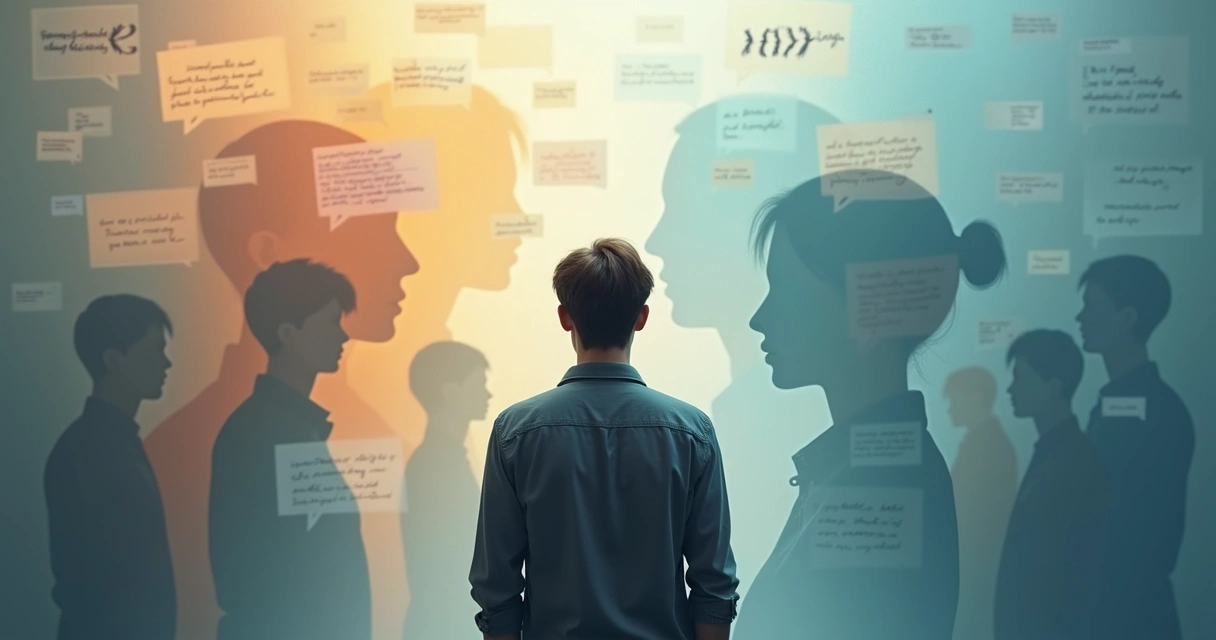


Imagine waking up, reaching for your phone before greeting the day, being flooded with notifications, emails, and news, all before a first thought of your own. It is not a distant future; this is now. We often sense that rapid technology shapes more than just our routines. It moves at a pace that bends the very way we think, feel, and connect. The question remains: how does technological acceleration change individual consciousness, and what does it mean for our sense of self?
Understanding technological acceleration
Technological acceleration, in simple terms, is the phenomenon where the development and adoption of technologies happen at an ever-increasing rate. The smartphone era, artificial intelligence, the growth of the internet—each wave comes faster than the last. What once took decades now takes months. This acceleration affects every domain of life, from our work to relationships and how we understand ourselves in the world.
We find ourselves adapting not only to new tools but also to a new rhythm—one that hardly gives pause. This speed changes the fabric of our experience and how our consciousness engages with everyday reality.
The impact of technological speed on attention, memory, and perception
When information arrives in constant streams, our attention naturally fragments. Studies, including a 2024 article in Frontiers in Human Dynamics, have found links between rapid technological acceleration and an increased prevalence of mental-health disorders. These include memory challenges and attention deficits.
- Continuous notifications demand our focus, leading to shorter attention spans.
- Switching between digital platforms can reduce deep, reflective thought.
- The pace of digital content rewards quick responses over patient understanding.
The flow of technology into every corner of life changes how our consciousness processes what we see and hear. Our brains, once attuned to slower rhythms, adjust to these demands by becoming more reactive, sometimes at a cost to reflective or purposeful thinking.
Quick reactions are easy. Deep understanding takes time we rarely have.
Emotional responses and well-being in a digital world
Beyond cognitive shifts, rapid tech growth affects emotions and mood. The same Pew Research Center study found that 42% of technology experts feel both excited and concerned about digital-life changes by 2035, while 37% express more worry than hope. The emotional consequences are real: stress, anxiety, and social comparison have become more common with the weaponization of social media platforms and digital tools.
- Online interactions may increase feelings of isolation despite being constantly “connected.”
- Continuous exposure to curated content can trigger self-doubt or anxiety.
- Instant feedback (likes, shares) links mood swings to digital approval or rejection.
Studies document that these changes often arise when our inner world does not have space to keep pace with digital stimulus, leading to a sense of loss—loss of focus, of calm, or of a stable self.
Technology and the modern sense of self
We see a new landscape where the boundaries between private thought and digital presence blur. The integration of consciousness with digital systems, as described in a 2025 article in Frontiers in Computer Science, points to a co-evolution: as technology grows, so does our way of being aware. The “self” becomes distributed, partly physical, partly virtual, always in flux.
Our sense of self is now shaped by digital mirrors.
In our experience, this shift brings specific challenges and opportunities:
- Increased access to information supports creativity and learning, if we can pause long enough to digest it.
- Online personas sometimes replace—or compete with—private identities.
- The constant presence of digital connections can amplify feelings of urgency and reduce time for self-reflection.
The autonomy paradox: judgment, decision-making, and digital dependence
A 2023 report from Pew Research Center discusses concerns over reliance on artificial intelligence and digital tools. Experts warn that when technology mediates even basic choices, individual agency may erode, with judgment and independent thinking replaced by automated solutions (2023 Pew Research Center report).
- Automated suggestions and algorithmic feeds increasingly determine what we read, watch, or buy.
- This “outsourcing” of choices can reduce confidence in our own perspective.
- Personal autonomy—the sense that we authors our own life—can weaken if we surrender decisions to technology.
Technology can empower, but it can also create subtle habits of dependence. We believe the challenge is to cultivate conscious use: to hold the benefits without giving up self-direction.
Inequality and gaps in digital adaptation
The benefits and burdens of technological acceleration are not equally distributed. Research from the Myfound Institute shows a persistent 1.7 ratio in the urban–rural digital divide despite significant investment, and a 37-point drop in U.S. student digital literacy scores from 2018 to 2023 (Research from the Myfound Institute).

- Not all individuals or communities can keep up with the accelerating pace.
- Digital illiteracy or lack of access deepens existing social gaps.
- Younger generations may experience cognitive changes different from those who learned in pre-digital contexts.
These gaps mean that the effects of technological acceleration on consciousness vary widely, shaped by access, education, and cultural background.
Co-evolution: human consciousness and technological change
As we adapt, the relationship between technology and consciousness is far from passive. Consciousness changes in step with technology, learning new modes of attention, interaction, and meaning-making. We observe that:
- New platforms give rise to new symbols, languages, and ways of sharing meaning.
- Social and technological feedback loops accelerate personal and collective change.
- The same systems that distract can also unite, heal, or inspire when used deliberately.

We are both shaped by and shaping the technologies we create.
Conclusion
Technological acceleration is not just about faster tools; it is about how our inner lives respond and change with the world’s pace. Attention, emotion, autonomy, and even the sense of self all shift when technology speeds up. By understanding this relationship, we can develop a more deliberate relationship with technology—one that honors depth, clarity, and conscious growth even in a changing world.
Frequently asked questions
What is technological acceleration?
Technological acceleration is the rapid and ongoing increase in the development and impact of new technologies in all aspects of life. It means that new devices, platforms, and innovations are being created and adopted much faster than in previous generations.
How does it change individual consciousness?
It affects consciousness by changing how we pay attention, process memories, feel emotions, and form our sense of self. Technology shapes what we focus on, how we interact with others, and even how we view our own identity, often speeding up daily life and sometimes causing inner fragmentation.
Can fast tech growth cause stress?
Yes. Studies have shown that rapid growth in technology can increase stress and anxiety by creating constant demands on attention and raising the pace of life. Social media and information overload make it harder to relax or focus deeply on one thing.
How can I adapt to rapid technology?
We suggest developing mindful habits, setting boundaries for screen time, and creating quiet moments for reflection. Regularly disconnecting, focusing on real-world connections, and staying informed without being overwhelmed can help you adapt in a healthy way.
What are the benefits of technological acceleration?
Technological acceleration offers faster communication, improved access to information, and new ways to learn or collaborate. If used deliberately, these advances can enhance creativity, support social ties, and provide tools for personal growth.