

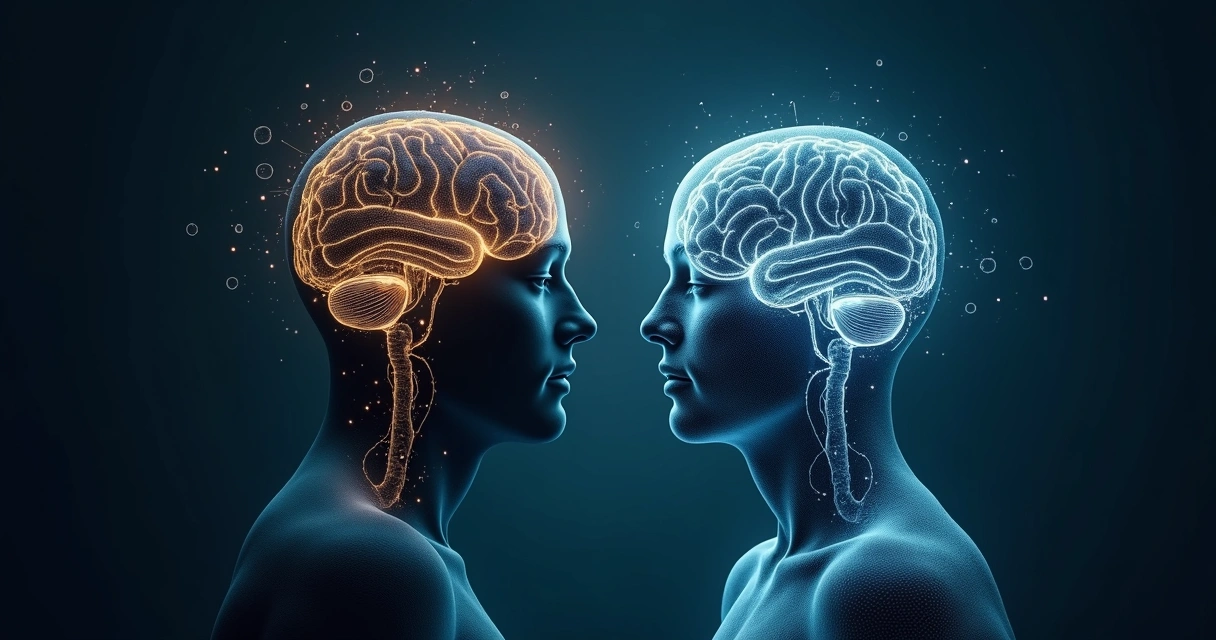
What does it really mean to change? Many of us have experienced those moments when we want to let go of old fears, habits, or stories about ourselves, only to find them returning, seemingly undisturbed by our best intentions. This persistence has less to do with willpower and more to do with how our memories work within the fabric of consciousness. In our view, the concept of memory reconsolidation stands at the center of how lasting change occurs within the mind.
Understanding memory as a living process
Memory is not a static record. Our scientific and philosophical investigations point to a continual process—each time we recall something, the memory becomes active, available, and, for a short time, changeable. This insight forms the ground for understanding both the difficulty and the promise within conscious change.
Memory reconsolidation is the process by which an existing memory, once reactivated, can be updated or altered before being stored again. This offers a unique opportunity: during this window of instability, new information or meaning can attach to the old memory, subtly—or dramatically—reshaping how it feels and what it means to us.
Old memories are not set in stone—they can be softened, reshaped, and expanded.
The contrast with simply "remembering" is clear. While retrieving a memory brings it to mind, reconsolidation opens the door to transformative change at the level of experience itself.
The relationship between memory and conscious behavior
Memory is not just about the past—it guides our choices, shapes our self-concept, and influences our emotional landscape. Many patterns we consider "just who we are" actually rest on older memory networks, encoded during key moments in life.
In our experimental and observational work, we have seen how:
- Old emotional memories can shape automatic reactions, even if we consciously want to respond differently.
- Recollections of repeated experiences craft powerful templates for relationships, work, and self-expression.
- Beliefs about what is "possible" for us often tie directly to specific remembered events.
Conscious change, therefore, requires not just new knowledge, but an updated felt experience at the level where memory and meaning meet.
How does reconsolidation enable change?
When an experience from the past is triggered—maybe by a face, a phrase, or even an internal thought—the underlying memory circuit becomes active and temporarily unstable. During this brief period, it is sensitive to new information.
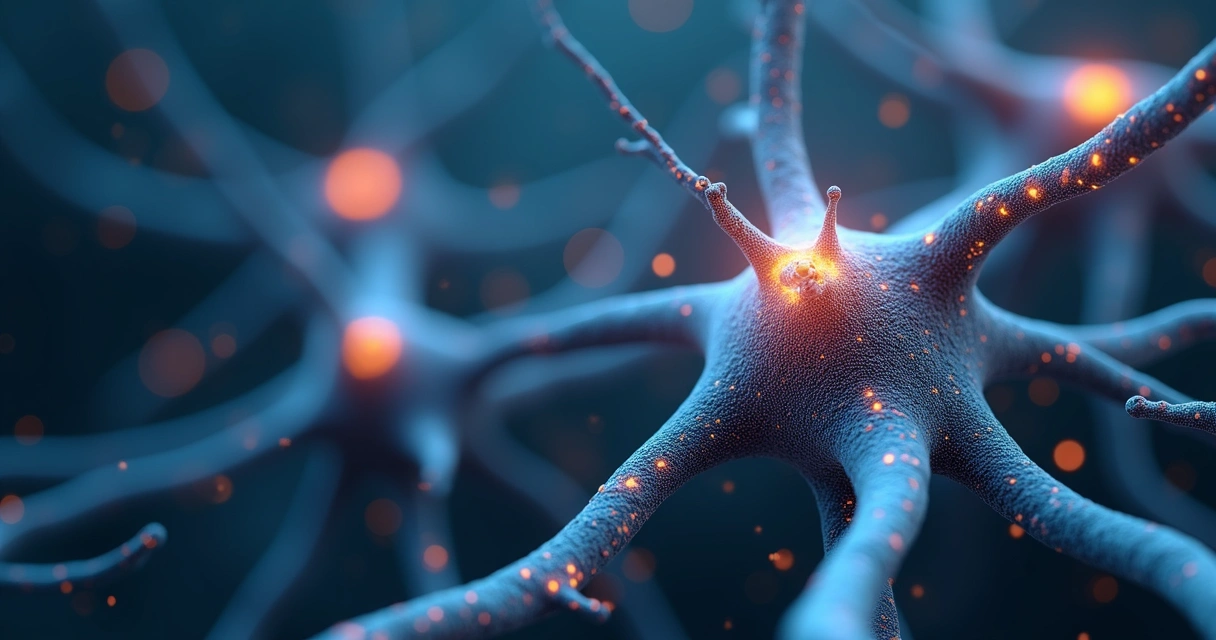
The steps involved typically unfold as:
- The old memory is reactivated by something that matches its stored meaning or emotion.
- A window opens where the emotional core of the memory feels current and real—this can be slightly uncomfortable, but it is essential.
- New, contradictory, or insight-rich information is introduced, showing the mind that what was once true is no longer always the case.
- The memory updates, absorbing the new insight or feeling, and is stored again with changed content.
What stands out is this: Lasting emotional and behavioral change requires that old memory networks be reactivated and then encountered in a new way, so the brain literally rewrites its own script.
The intersection of consciousness, emotion, and memory
We believe memory reconsolidation explains why repeating affirmations or offering logical arguments to oneself often fails to produce real transformation. The underlying emotional reality—rooted in memory—remains untouched unless accessed directly.
During reconsolidation, the interplay between awareness, feeling, and reflective thought becomes especially powerful. By being present to the old memory, noticing its emotional charge, and introducing new understanding or compassion, a space emerges where something truly new can grow inside.

This is not a passive process; it is an active engagement with consciousness, involving intention and a willingness to experience discomfort as old patterns shift.
Conditions for successful memory reconsolidation
Memory reconsolidation does not happen automatically each time a memory is recalled. Certain conditions need to be met:
- The memory must be fully, emotionally reactivated—not just vaguely referenced.
- Contradictory knowledge or experience must be experienced, not simply stated. This might be a new perspective, a corrective experience, or an unexpected emotional response.
- The mind needs enough safety and support to tolerate the instability of change.
From what we have seen, practices that combine mindful awareness, emotional presence, and moments of genuine insight give the best conditions for reconsolidation to unfold. For example, guided self-reflection, therapeutic relationships, or focused moments of self-inquiry all create openings for this process.
Implications for personal and interpersonal growth
What happens when our deepest patterns are truly open to change? In our experience, the effects of memory reconsolidation appear in several areas:
- The emotional tone of old memories fades, giving more freedom in the present.
- Behavioral responses that once felt automatic become open to new choices.
- Relationships shift as the foundation of expectation, fear, or hope built on the past is updated in real time.
- The sense of self grows, as what once felt fixed proves changeable after all.
Many people report a greater ease at living in the moment, less need to control or avoid experiences, and a sense of self-compassion that was not possible before.
Change becomes natural when yesterday's pain is no longer today's truth.
Conclusion: The heart of conscious change
We have found that memory reconsolidation is not just a scientific curiosity but is deeply human. It explains why insight can bring relief, why emotional healing can feel like a shift in the body, and why change sometimes is sudden and real instead of gradual and incomplete.
When memory reconsolidation is engaged, the gap between knowledge and experience closes, allowing us to move from understanding to genuine transformation.
For those who seek real and lasting change, attention to this process can be a turning point—it invites us to be both gentle and brave, to honor the stories that formed us, and still make room for the unknown future.
Frequently asked questions
What is memory reconsolidation in psychology?
Memory reconsolidation in psychology is the process by which an existing memory, once reactivated, becomes temporarily malleable and subject to change before being stored again. This allows the original memory to integrate new information, which can alter its emotional impact or meaning.
How does reconsolidation affect conscious change?
Reconsolidation makes conscious change possible by providing a window during which old habits, beliefs, or emotional responses can be updated at their source. When this process takes place, behavioral and emotional patterns shift because the underlying memory no longer triggers the same automatic response.
Can memory reconsolidation help with trauma?
Yes, memory reconsolidation can help with trauma by allowing painful or distressing memories to be reactivated and then updated with new, healing information. This can reduce the emotional charge of the traumatic memory and support emotional recovery.
How long does reconsolidation process take?
The reconsolidation process occurs within a relatively short period, often minutes to a few hours after a memory is reactivated. The exact timing can vary based on the intensity of the memory, the context, and the individual's readiness for change.
Is conscious change possible without reconsolidation?
Conscious change is often limited when reconsolidation does not occur. Without updating the emotional and experiential content of old memories, efforts at change may not "stick." True transformation usually requires that the core memory networks supporting old patterns are accessed and altered through reconsolidation.