
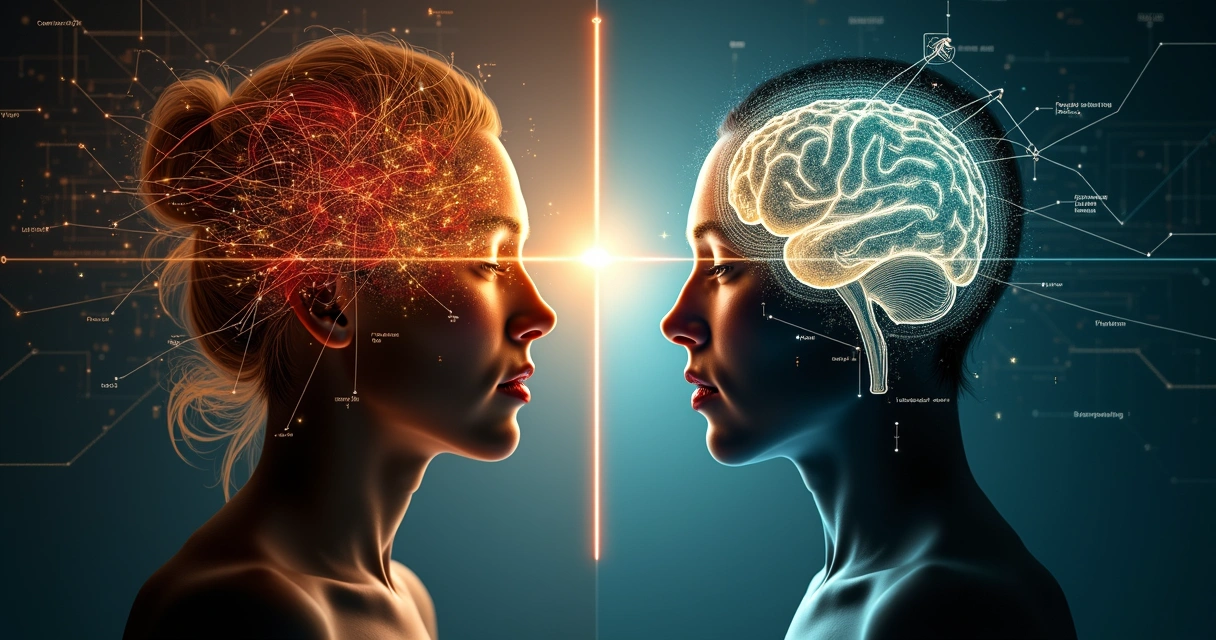
Every day, we move through life guided by forces we often do not notice. Yet, those forces shape how we think, act, and feel. We have found, through our study and practice, that emotions are not simply fleeting sensations or involuntary reactions. Instead, they are organized in deep, layered systems. By mapping these systems, we come closer to answering a timeless question: Why do we feel, react, and ultimately, choose the way we do?
Understanding emotion systems
Emotion systems are networks of feeling, thought, and bodily reaction that together drive how we meet and shape the world. These systems are wired through both biology and life experience, forming the bridge between stimulus and response. Rather than appearing as isolated events, our emotional processes form a network within us that is dynamic and constantly shifting.
Think of these systems as patterns—like the weather. Sometimes, a slight trigger, maybe a memory or a word, can set off a sudden storm of feeling. Other times, a quiet, steady mood stays with us for hours. What controls this? The inner wiring of our emotion systems.
The path from reactivity to awareness
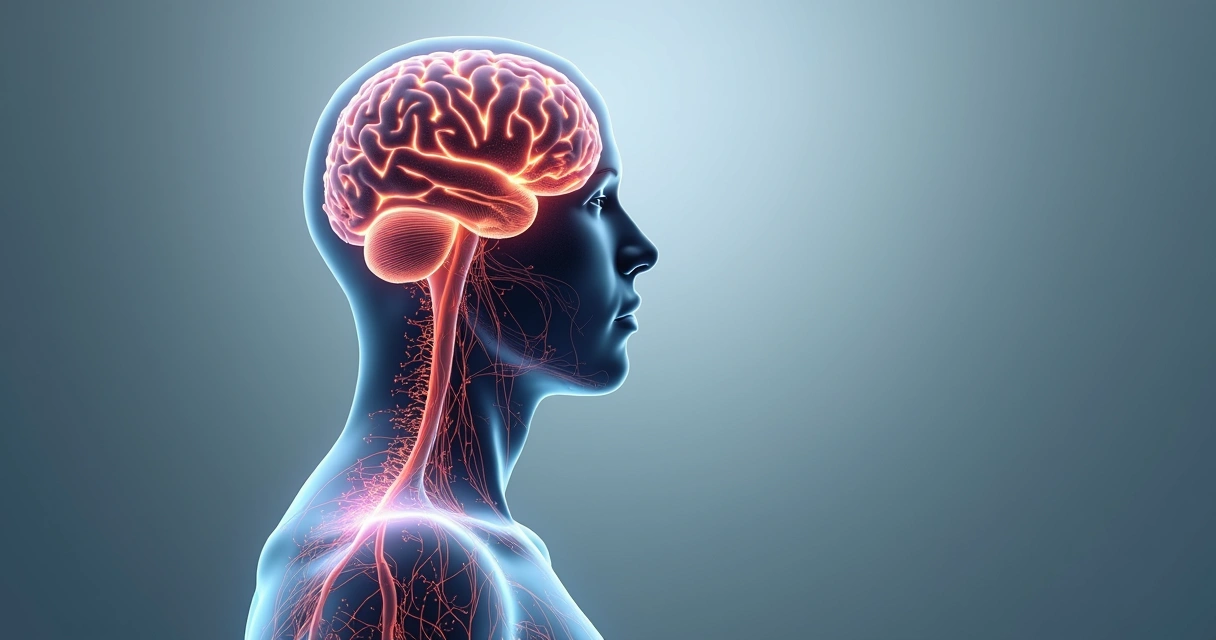
Many of us know what it feels like to be “triggered.” A word or look, and suddenly our body tenses, our mind races, and we act before thinking. This is reactivity. In our view, reactivity is not just a moment of lost control—it is a sign that underlying systems are working automatically.
Reactivity happens when emotional patterns respond quickly to perceived threats, often bypassing conscious thought. While this can keep us safe in true danger, it can also lead to misunderstandings, conflict, and regret in daily life.
We have seen that these reactive patterns are learned. Sometimes, they formed long ago as necessary responses to early needs or fears. Over time, if left unexamined, they become automatic scripts.
Awareness is the beginning of change.
Once we grow curious about our triggers, we gain the possibility of moving from blind reaction to conscious response. But it is not always easy—there is work to be done.
From mapping to mastery: How we can reshape emotion systems
Mapping an emotion system does not mean drawing a diagram; instead, it means bringing mindful attention to our own patterns. In our practice, we encourage a process built from these steps:
- Notice: Pause to sense when an emotional reaction arises. What do you feel in your body? What urges appear?
- Name: Give your experience a word—anger, fear, confusion, joy—without judging it.
- Trace: Ask yourself, what sparked this feeling? Was it a present event, or does something older echo here?
- Choose: Instead of being swept along, consider how you want to respond now.
This process does not erase the old patterns, but it gives us space to respond with intention, rather than habit.
This gradual practice, repeated with patience, builds a bridge—from reactivity, toward what we call “conscious flow.”
What is conscious emotional flow?
Conscious flow is a state where emotion, thought, body, and purpose are in harmony. In our work, we see this not as a rare peak experience but as a skill to develop. Instead of being stuck in repeated loops, we become able to direct our emotional currents with more choice and clarity.

Conscious emotional flow is not the absence of feeling, but the ability to move through emotions with awareness, direction, and presence. When we are in this state, our choices become rooted in values and understanding, rather than knee-jerk responses or hidden fears.
- We still feel anger, but we can decide what to do with it.
- We sense fear, but we check if it truly protects us or if it holds us back.
- We notice joy and allow it, without dampening it with worry or guilt.
When we see emotion as flow—something that can move and be guided—the aim is not to suppress, but to direct.
Integrating emotion with meaning and purpose
Through our ongoing investigation, we have found that emotion systems are shaped by more than just habit or biology. They are woven with beliefs, values, purposes, and the way we make sense of ourselves. This means that emotional change is not a mechanical process. It involves asking meaningful questions:
- What matters most to us?
- When do we feel most authentic, most true to our purpose?
- Are our reactions serving our growth, or keeping us in cycles of pain?
We have observed that lasting change happens when emotion and meaning work together. When we understand why we react, and what we want to move toward, we become authors of our own emotional story.
We are not just products of our patterns. We are the makers of meaning.
The practice of conscious emotional flow in daily life
Theory means little until it shifts the way we act every day. In our experience, conscious emotional flow becomes real in small, repeated moments:
- Taking a breath before answering a sharp comment
- Allowing sadness to surface without shutting it down
- Feeling excitement and moving toward connection, not away
- Recognizing anxiety as it arises, and grounding in reality
Each step is simple, but not always easy. We grow when we return, again and again, to noticing, naming, tracing, and choosing.
Over time, we often find that triggers lose some of their power. Patterns loosen. We can ride the emotional currents, but not be drowned by them.
Conclusion: From map to movement
The journey from reactivity to conscious emotional flow asks for attention, patience, and honesty. Mapping emotion systems is not about controlling what we feel, but awakening to what is already alive within us so that feeling and consciousness can work together. As we notice, name, trace, and choose, we become able to respond, not just react. Our emotional lives can become sources of clarity, action, and real growth.
Frequently asked questions
What is an emotion system?
An emotion system is a network within us, combining feelings, thoughts, memories, and bodily reactions that pattern how we respond to the world. These systems are shaped across our lives, influenced by both our biology and experience, and can drive habits and choices without us always noticing.
How do emotion systems affect behavior?
Emotion systems guide our attention, shape our choices, and can trigger automatic actions. If our system is reactive, we may act on old triggers, sometimes confusing past threats with the present. By understanding and becoming conscious of these systems, we gain space to act with intention instead of repeating automatic responses.
What is emotional reactivity?
Emotional reactivity means responding quickly and automatically to triggers, without conscious thought. This often looks like snapping, shutting down, or withdrawing before we realize what is happening, usually as a result of old patterns that were once helpful but now may create stress or conflict.
How does conscious emotional flow work?
Conscious emotional flow happens when we are aware of our feelings and can choose how to direct them, instead of being ruled by them. In this state, emotions become sources of information and energy that can align with our values and intentions, leading to clearer and more authentic action.
Can emotion systems be changed?
Yes, emotion systems can change over time with attention and practice. By noticing our reactions, bringing them to awareness, and choosing new ways to respond, we can reshape the patterns that guide us. This change grows with small, repeated acts of awareness and choice.