


Feedback sits at the heart of how we learn, adapt, and relate to others. Yet, time after time, many of us hesitate, delay, or sidestep receiving feedback. This avoidance might seem minor, but we think it connects to deep emotional blocks that shape our choices and relationships. What is happening beneath the surface when we steer clear of critique? How does this reaction reveal more than just a dislike of discomfort, but rather the mechanisms our minds use to cope with vulnerability, fear, and growth?
Why feedback is difficult
Receiving feedback touches nerves. With even the best intentions, it can make us feel exposed. In our experience, people may anticipate judgment, fear disappointment, or struggle with shame. These emotions show up in distinct and personal ways.
- We may hear a suggestion and instantly feel our self-worth questioned.
- Sometimes, we brace ourselves for criticism, even before speaking to anyone.
- Others relive old moments where feedback turned into rejection or ridicule.
When the mind links feedback to pain, avoidance becomes protection. We find that this link can form early through family, school, or childhood trauma but persists long into professional and adult life.
Patterns of feedback avoidance
Feedback avoidance emerges in patterns, subtle and overt. Some we see frequently include:
- Changing the subject when feedback comes up
- Downplaying the importance of other people's opinions
- Interrupting before feedback finishes
- Seeking only people who always agree
- Not asking for input on work or personal habits
For each of us, the triggers differ. In our research, we note that these patterns often reinforce themselves. Avoiding feedback might bring momentary relief. But over time, emotional growth stalls.

The emotional roots of avoidance
When we look deeper, feedback avoidance is seldom about laziness or defiance. Instead, we see key emotional blocks at play:
- Fear of inadequacy: The worry that negative feedback confirms the belief “I am not good enough.”
- Fear of rejection: The anxiety that criticism may lead to exclusion or loss of value in a community or group.
- Perfectionism: A struggle to accept that mistakes are natural, not a verdict on identity.
- Pride and ego: Difficulty letting go of self-image and facing limits with honesty.
- Unhealed past wounds: Previous experiences where feedback was harsh, personal, or unfair create ongoing defenses.
Many of these responses are automatic. We notice how, for some, small comments from others open up old stories or create new anxieties. Our minds attempt to manage pain by stepping away from the uncomfortable, not because we want to stunt growth, but out of habit and past learning.
Growth means moving through discomfort, not around it.
How feedback avoidance blocks growth
Feedback, even when imperfect, holds a mirror to parts of ourselves we might overlook. If we continuously avoid this mirror, a few things happen.
- We repeat the same habits and mistakes.
- Relationships stall, as open and honest exchange becomes rare.
- Self-awareness shrinks, making change harder.
Emotional blocks thrive in avoidance because they are never named or examined. If we do not face the discomfort in feedback, our growth remains partial—safe but incomplete. The unknown stays unknown.
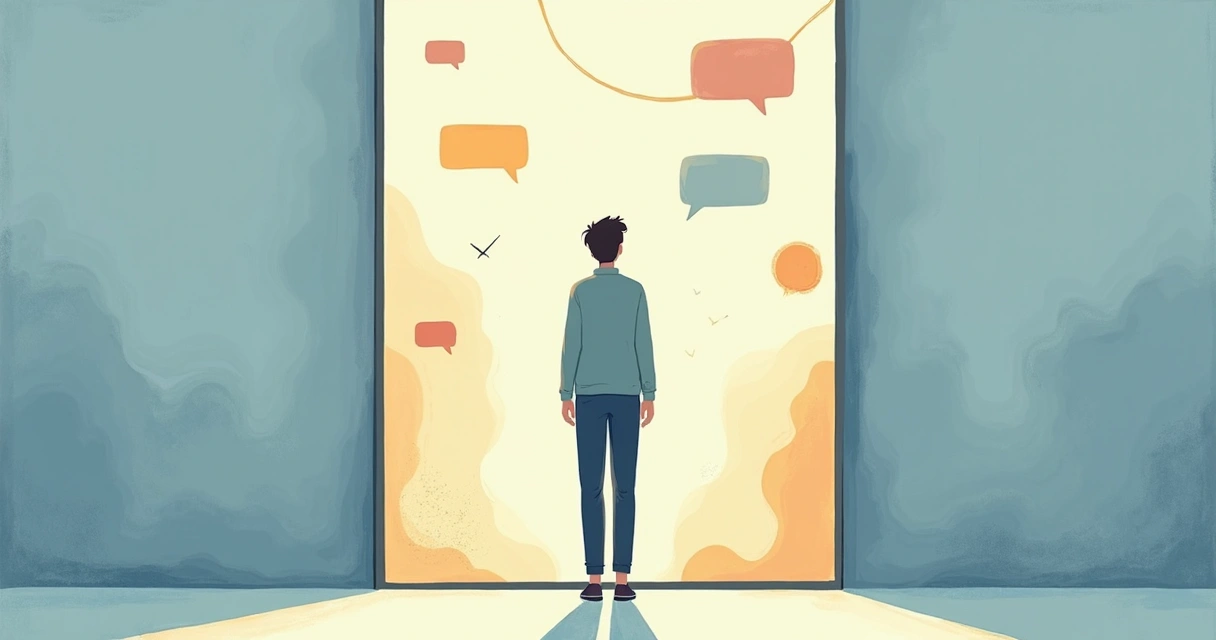
Ways to transform feedback avoidance
How can we lessen our resistance, or at least understand it better? From our perspective, some steps encourage positive change:
Grow self-compassion
Instead of judging ourselves for resisting, we step back and notice: “It’s hard to hear about my flaws, and that’s normal.” This removes an extra layer of shame.
Create conscious pauses
When feedback comes, our instinct is to act quickly—defend, deny, deflect. If we learn to pause, breathe, and allow a moment of quiet, we make space for a calmer response.
Reframe the narrative
We see feedback not as an attack, but as an offer of perspective. Even when poorly delivered, insight can be found. We hold the power to filter and integrate what is useful.
Practice asking for input
Begin with people who are trustworthy and clear, and with questions that feel manageable. When we ask directly, “What can I improve?” or “How did that come across to you?” the act itself builds tolerance for feedback.
Honor emotional safety
Safety does not mean avoiding all criticism; it means choosing environments or people where growth, not judgment, is the goal. When feedback becomes a tool of care, our defenses soften.
The relationship between feedback and maturity
Maturity is not the absence of discomfort but the capacity to hold it lightly. As we learn to face our emotional blocks, feedback becomes less threatening. We find that over time, the same comments that once triggered hurt may turn into valuable prompts for self-questioning and renewal.
True openness to feedback is not passive acceptance, but active engagement with our own fears and hopes.
Conclusion
Feedback avoidance is not just a simple act of dodging uncomfortable conversations. In our experience, it is a signal of deeper emotional patterns and wounds. By recognizing the roots of our resistance, we open the door to greater self-understanding and connection. Facing feedback, while challenging, has the power to reduce the hold that old fears and blocks have on us. Each step towards openness, no matter how small, is a step toward maturity.
Frequently asked questions
What is feedback avoidance?
Feedback avoidance is the act of intentionally or unconsciously steering away from situations where one might receive input, critique, or suggestions about their behavior, work, or attitudes. This can appear as changing topics, not asking for reviews, or dismissing opinions before they are shared.
Why do people avoid feedback?
People often avoid feedback because it can stir up uncomfortable emotions such as fear of failure, feelings of inadequacy, or past hurt from harsh criticism. Sometimes, avoidance acts as a shield against perceived threats to self-esteem or belonging.
How can I overcome feedback avoidance?
To overcome feedback avoidance, we recommend building self-compassion, pausing before reacting, reframing feedback as a resource, and practicing in safer environments. Actively seeking feedback from trusted sources can also help develop resilience to discomfort.
What are common emotional blocks to feedback?
Common emotional blocks include fear of rejection, perfectionism, concern over self-worth, pride, and memories of past criticism. These emotional patterns can make honest feedback feel threatening or unbearable.
Is feedback avoidance always a bad thing?
While too much avoidance limits growth and awareness, there are moments when it is reasonable to step back from poorly delivered or unsafe feedback. What matters is recognizing when avoidance protects us versus when it holds us back.