
To ask about the ethics of meaning-making in modern life is to question not only what we value, but how we decide what truly matters.
We are living in a period shaped by extraordinary changes in technology, culture, and social interaction. Each day, we face choices that demand more than surface-level reflection. At the center of these choices is the search for meaning, and with it, the ethical dilemmas that come as we try to shape our lives with purpose, connection, and understanding.
What is meaning-making and why does it matter?
Meaning-making is the ongoing process through which we seek, create, and reinforce purpose in our daily experience. We might find it in relationships, work, art, learning, or spiritual practices. We build stories about who we are, why we act, and how to live well. This process is far from neutral. The stories we tell ourselves shape not only how we see our lives, but how we treat others and the world around us.
We notice a subtle but clear tension when these stories are disrupted or when we are pulled between different sources of meaning: family, community, tradition, self-expression, or modern digital culture. These competing influences generate questions—sometimes uncertainty, sometimes conflict.
The search for meaning is never finished.
How do ethical dilemmas arise in meaning-making?
The ethics of meaning-making refer to the principles and responsibilities involved in shaping our personal and collective sense of purpose. We see at least three recurring sources of ethical dilemma:
- Conflicting values: We might be loyal to family but wish to pursue individual freedom.
- Impact on others: In seeking what we think is meaningful, we might harm others or exclude those with different perspectives.
- Truth versus comfort: Sometimes the stories that feel good are at odds with evidence or the experience of others.
These tensions are not abstract. For example, we often meet people torn between advancing their career and spending time with loved ones. Or, we hear from those caught between cultural expectations and personal identity.
The role of culture, technology, and social change
Culture and technology shape the field where meaning-making takes place. New technologies bring access to novel ideas, but also an overload of choices and conflicting standards. Social media, news cycles, and online communities can connect us with others—or trap us in echo chambers.
We observe that cultural narratives, too, have shifted: being “successful” might mean wealth for one group, knowledge for another, or compassion for a third. These standards aren’t fixed. Our own idea of meaning is shaped, challenged, and even rebuilt as the world changes around us.
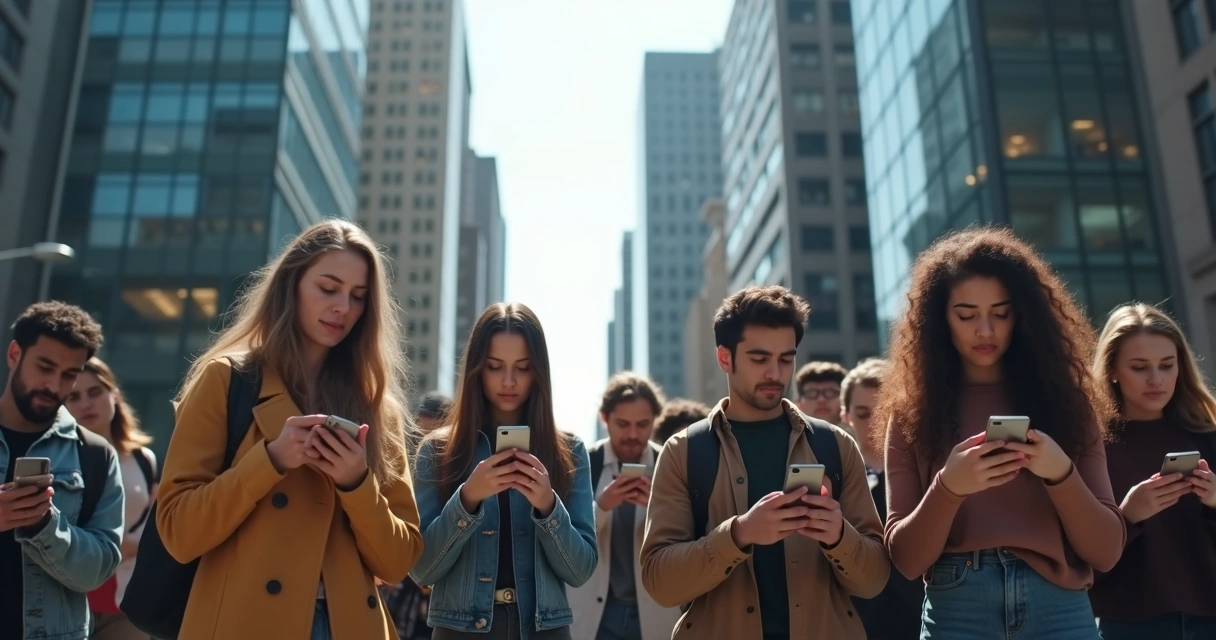
This brings both liberation and pressure. The freedom to define our own meaning can feel empowering or overwhelming. And when so many voices compete for our attention, it gets harder to answer the question: what is really true, or right, or worth pursuing?
Personal stories and collective responsibility
In our experience, people rarely construct meaning in isolation. Even our most personal choices are linked to broader stories and communities. Being aware of this connection is core to ethical meaning-making.
- We shape our identity within a family, culture, or network.
- We may question rules and traditions, but those traditions offer a foundation and sense of belonging.
- We participate in systems—education, work, even online platforms—that carry their own values and expectations.
With greater freedom comes a greater responsibility to reflect. Sometimes meaning is handed down; sometimes it is actively built, even struggled for. But either way, we are never truly alone in the stories we choose to live by.
Modern dilemmas: Authenticity, integrity, and shared meaning
We find that modern ethical dilemmas in meaning-making often cluster around these three themes:
- Authenticity: Are we being true to ourselves, or only performing what we think others want?
- Integrity: Are we honest, both with ourselves and with others, especially when our truth creates discomfort?
- Shared meaning: Can we participate in collective projects—a family, a community, a social cause—without losing our voice or values?
These questions aren’t simple to answer. Authenticity, for example, is sometimes praised as the highest good, but if our “true self” harms or misleads others, what then? Integrity asks us to act consistently, even when that brings loss, and shared meaning requires tolerance, flexibility, and sometimes sacrifice.
Living with meaning is a daily act, not a fixed achievement.
How do we approach meaning-making with ethical care?
We have found that the following practices can support more thoughtful and ethical meaning-making:
- Reflection: Regularly asking, “Why does this matter to me?” and “What are the consequences for others?”
- Dialogue: Welcoming disagreement and learning from those who see the world differently.
- Humility: Accepting that our current view might need to change and being open to growth.
- Compassion: Balancing our own expectations with care for others’ needs and values.

Rethinking meaning in this way asks us to hold both our own needs and those of others, seeking balance over certainty.
Conclusion: Embracing the dilemmas, together
The ethics of meaning-making do not produce easy answers. They call for ongoing reflection, steady attention, and the courage to sit with complexity and uncertainty.
Meaning is shaped in relationship—with ourselves, others, and the wider world.
We believe that caring about how we create and share meaning is itself an ethical act. Each day, we can choose stories that deepen connection, expand understanding, and support a life that feels coherent with our values, even as those values evolve. The dilemmas we meet are not signs of failure, but invitations to grow in awareness and care, together.
Frequently asked questions about the ethics of meaning-making
What is meaning-making in modern life?
Meaning-making in modern life is the personal and social process of finding and creating a sense of purpose, direction, and value as we move through changing circumstances and diverse influences. People draw on their experiences, beliefs, and connections to shape what feels significant to them amid the complexity of contemporary culture.
What are common ethical dilemmas today?
Some frequent ethical dilemmas include balancing personal ambition with care for others, choosing between loyalty to tradition and the desire for self-expression, and navigating conflicting truths or beliefs. These often appear in family, work, media, and community interactions, making them part of everyday experience.
How can I handle meaning-making dilemmas?
We suggest practices such as regular self-reflection, open dialogue with people holding different views, and cultivating humility and compassion. These habits support awareness of both personal values and the effects of our choices on others, helping to make more thoughtful decisions about meaning.
Why is meaning-making ethically important?
The way we create meaning influences not just our own sense of well-being, but also how we treat others and how we behave in society. Ethical meaning-making helps ensure that our purpose is not achieved at the expense of others’ dignity, rights, or welfare.
Where can I learn more about ethics?
You can find more by reading books and articles focused on philosophy, psychology, and cultural studies, attending workshops or community discussions, or exploring educational resources from universities and independent thinkers concerned with personal and social ethics.